Welcome to the second part of the new years 2026 stream with me, @ivan_soto, @BrailleScreen, @draeand, Carter Temm and any others who end up joining for a second night of New years fun! We'll spend the first bit of time answering any pending questions from yesterday's stream, and then things are going to get very upbeat and enjoyable, you'll have to listen and find out why! anyaud.io/listen?audio=T8s4g-m…
I want to design and build websites for people who want to own their website and stop depending on platforms

My initial idea was to sell the templates individually for $19, or offer a bundle of 100 templates for $250

However, I’ve also been thinking about a different approach: fundraising.
If I can raise a certain amount upfront, I could build the 100 templates and release them for free under an open-source license, so anyone can use them, customize them, and own them

lacasitadelmarkup.com/

What I’m up to in 2026

Sensitive content

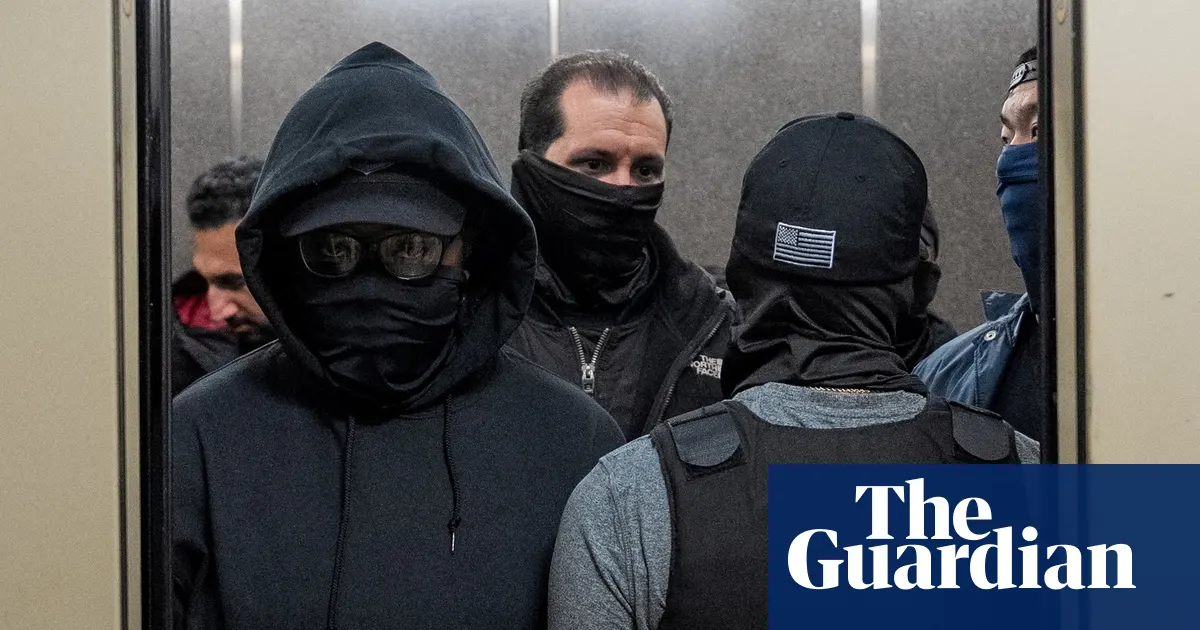
The FBI spied on a private Signal group chat of immigrants’ rights activists who were organizing “courtwatch” efforts in New York City this spring. Brad Lander, New York City’s comptroller, condemned the FBI’s report in a statement, saying the “FBI surveillance tactic is ripped straight out of the J Edgar Hoover playbook”. theguardian.com/us-news/2025/n…

Carney promises 2026 will see huge economic growth that will absolutely not include you

thebeaverton.com/2026/01/carne…

Not even reading like satire.

Here's an idea: someone should produce a series of ebooks that teach how to use GNOME and popular applications (e.g. Firefox and LibreOffice) with Orca, in a systematic way with activities for each concept or task, then use the proceeds from sales of those ebooks to help fund development of Orca and the free desktop accessibility stack in general, as NV Access has done with NVDA and their training ebooks. I think there would be a market for that.

Federico Mena Quintero reshared this.

in reply to Matt Campbell

and I'd say:

1. Pair this with a blind-friendly distro that has everything configured (you'd need NFB/ACB support for this, as you probably need the metaphorical "company letterhead" to get secure boot certified).

2. Autotranslate into all the languages via LLMs. Sure, human translations are better than automatic translations, but automatic translations are better than nothing. Source: Not a native English speaker, I've actually relied on them back when Google Translate was borderline unusable.

3. Preferrably, pair this with scripts that can "walk through" the scenarios described in the book, making sure Orca output stays consistent as versions change. You could also this to automatically record multilingual walkthroughs, with human-written commentary between the steps.

in reply to miki

NVAccess basically ignores 80+% of the addressable market with their basic training materials. While NVDA itself is translatable (and actively translated), everything else, including their website, is pretty much as hostile to international visitors as you can get. This is pretty hypocritical, as the English-speaking countries are the ones where you're most likely to get either JAWS, government-sponsored AT training, or both.
in reply to miki

I doubt we'd need a fully custom distro, with its own boot loader and unified kernel image that would need to be specially signed for Secure Boot. A stock boot loader and UKI from one of the major distros should be enough. For the rest of the distro, a Debian Pure Blend (debian.org/blends/) might be enough.

I really like the idea of using the training activities as regression tests.