Search

Items tagged with: WorldMusic


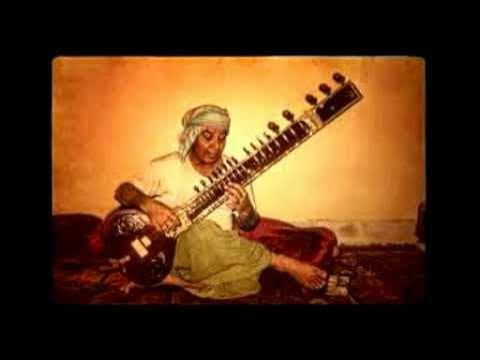
A long one, but that's pretty common for Hindustani Classical. This is a recording from 1974 of Surbahar (essentially bass sitar) playing rāg yaman. This serene evening rāg is similar to lydian, though with rules. Alāp Jor Jhala refers to distinct sections. The alāp is a slow free-rhythm exploration of the rāg, jor/jod () introduces a steady rhythm, and jhala introduces a more lively rhythm (a constant pattering of melodic raindrops).
#Music #Ethnomusicology #WorldMusic
youtube.com/watch?v=AdnGWrpQTk…

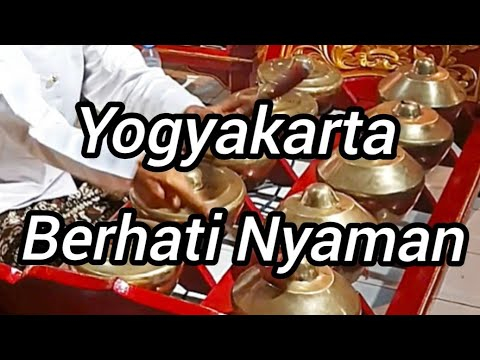
I felt like listening to some Javanese gamelan.
Gamelan has 2 tuning systems, sléndro and Pelog. Fun fact, if you can't remember which has 5 notes and which 7, count the letters and you'll know the wrong answer! Each gamelan set has a unique tuning, so although people have tried to define sléndro as near-5TET and Pelog as near-9TET with 2 skipped pitches, this doesn't really work without a perfect octave.
#Music #Ethnomusicology #WorldMusic #MusicTheory #Microtonality
youtube.com/watch?v=SZVOCOkCz3…


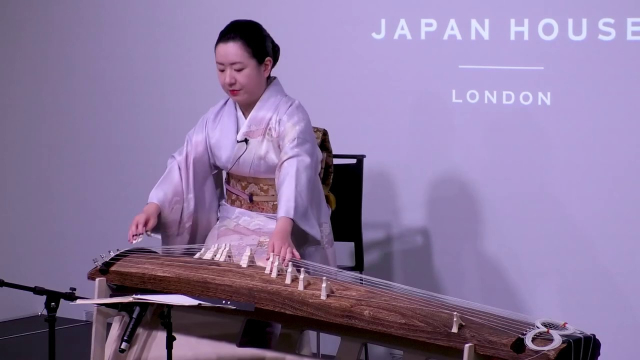
The Japanese koto is one of those go-to #instrument for relaxation #Music, but it also has a touch of otherworldliness to it at times, i.e. deliberate dissonances, microtonal nuances, etc. It's a zither with 13 strings, though there have been variants with up to 80.
This is a performance by ENOKIDO Fuyuki (20 mins long) with a great selection of pieces. Wonderfully played with loads of expressiveness..
#Ethnomusicology #WorldMusic
youtube.com/watch?v=VFK8_9RcaO…


This is Theodosii Spassov, probably one of my top 3 Bulgarian kaval players, with slow melody. It's a great demo of what the Bulgarian kaval can do; big range, kaba, vocal drone/harmonisation, sound effects, various levels of breathiness, ornaments like hlopki, mordents, vibrato. Particularly notable in this one is circular breathing, both for the 2nd kaval drone, which is quite common, but also in the main melody. Virtuosic stuff!
#Music #Ethnomusicology #WorldMusic
youtube.com/watch?v=yyEGr717-R…