
Tesla's so-called "autopilot" turns off automatically a fraction of a second before a crash, so the driver can be blamed even though the driver has no time to respond. (It's been that way for more than a year since originally publicly documented by the NHTSA, this is clearly a choice someone made.)
theguardian.com/technology/202…
And while Tesla management clearly just loves doing terrible things, an individual engineer implemented this.
You don't want to be that engineer:
1. It's immoral, and a dereliction of your professional duty.
2. If your action ever goes to court, there will be some very expensive lawyers trying their best to make you the scapegoat and claim you are either incompetent or malicious, but you very definitely did this on your own.
And most of the time the things you'll be asked to do aren't as bad. I know someone who was asked by their manager to put a CE mark on products that were from the non-CE factory. These devices weren't safety critical, this wasn't going to kill anyone. But it's still fraud, and the incentive was still there for the company to make this engineer the scapegoat.
The engineer said "no"... and that was the end of it. Sometimes that's all it takes to enforce standards.
If "no" isn't enough, asking for something in writing (signed and dated) is a good next step. Chances are that will be the end of it, and meanwhile you can start looking for a new job.
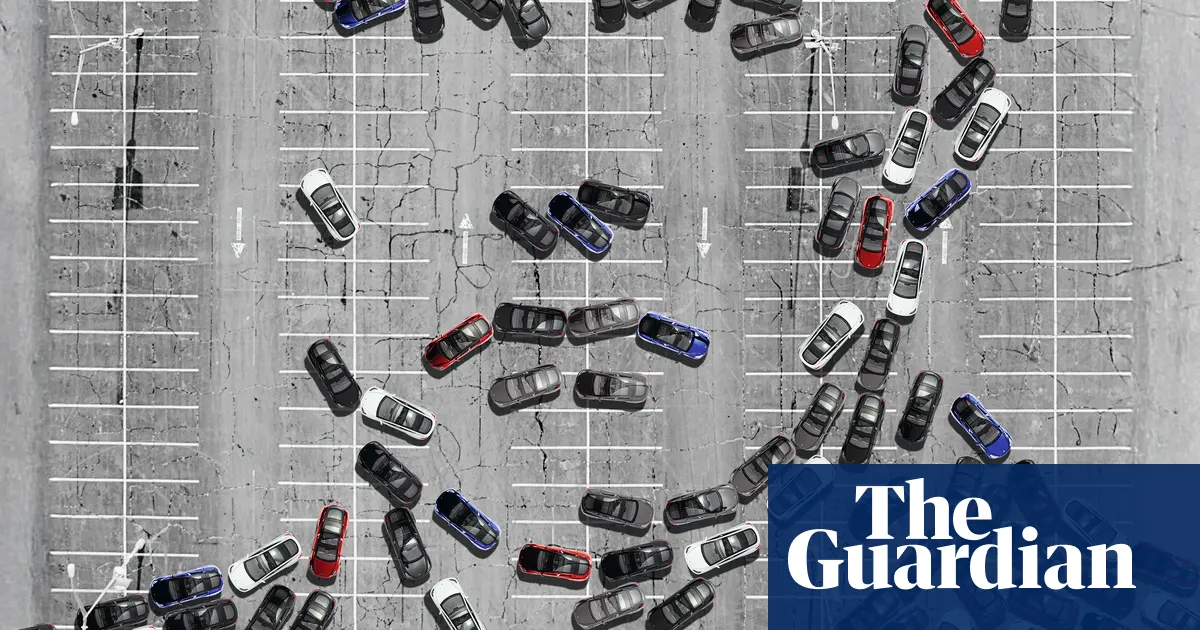
‘The vehicle suddenly accelerated with our baby in it’: the terrifying truth about why Tesla’s cars keep crashing
Elon Musk is obsessive about the design of his supercars, right down to the disappearing door handles.Guardian staff reporter (The Guardian)





















Shrig 🐌
in reply to Federico Mena Quintero • • •